

You can spend a whole day answering messages, speaking to colleagues, caring for others or sharing a home, and still feel profoundly alone by bedtime. Loneliness is not simply a lack of people around us. It is the painful sense that we are unseen, unsupported or unable to share what is true for us.
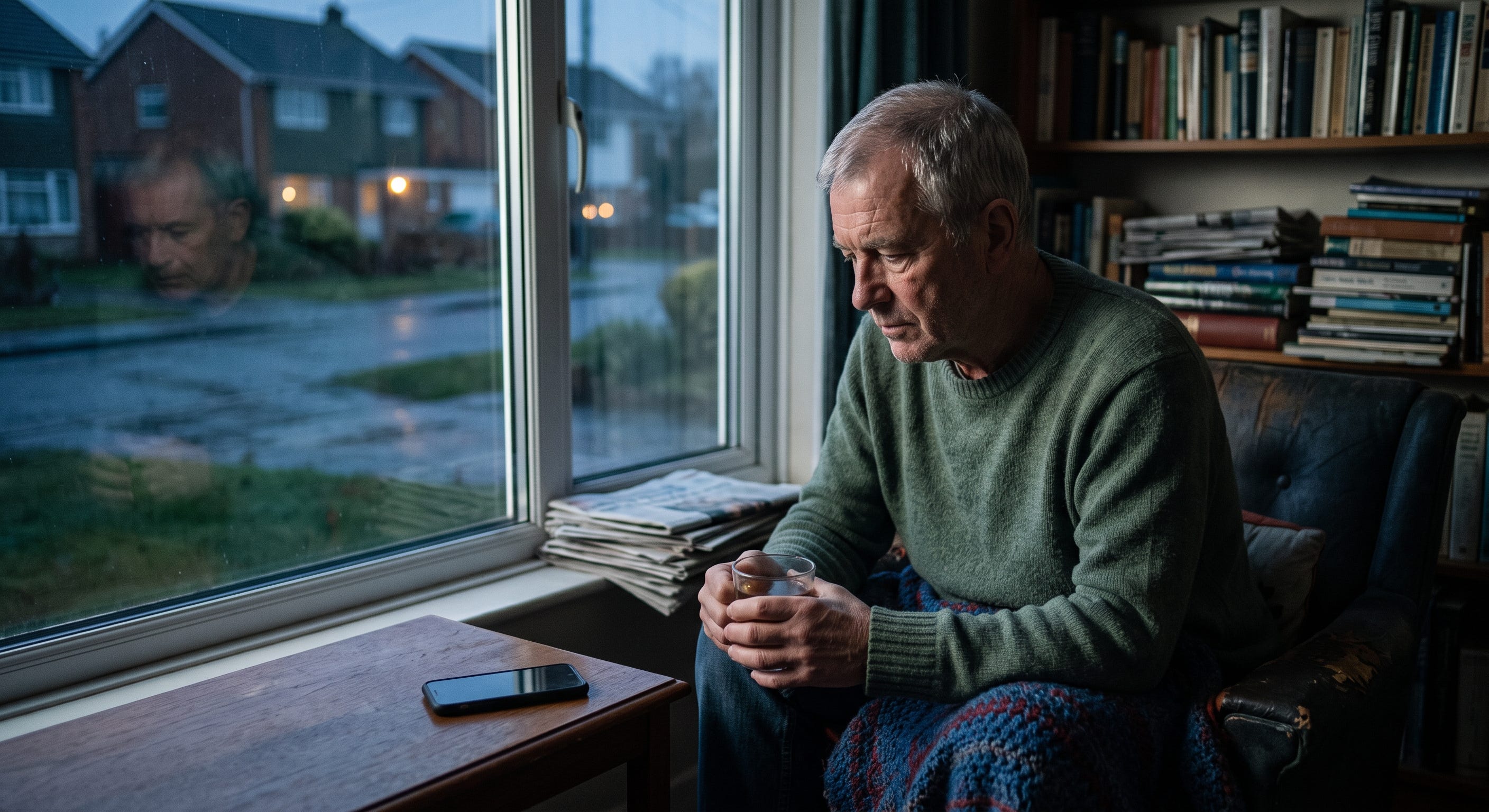
There is nothing shameful about this feeling. It is a human signal, much like thirst or tiredness, asking us to pay attention to a need for connection. Meeting that signal with criticism often makes it louder. Meeting it with kindness creates a little more room to breathe.
When connection feels scarce, the mind often tries to explain why. It may say, “Nobody cares,” “I do not fit in,” or “I should be coping better.” These thoughts can feel convincing, especially when we are tired, grieving, overwhelmed or going through a life change. Yet they are often the voice of pain, not a complete account of our worth or our relationships.
Modern life can intensify this. Busy schedules leave little space for unplanned conversation. Social media can show us polished fragments of other people’s lives while hiding their private struggles. Even supportive relationships may feel distant when we are afraid of being a burden or do not know how to name what we need.
The first compassionate shift is to stop treating loneliness as a personal failure. You are not broken because you want to belong. The wish to be known and cared for is part of being human.
It is important to recognize that prolonged loneliness is not just an emotional state; it carries significant risks for both physical and mental health. Research indicates that chronic loneliness can trigger a persistent stress response in the body, elevating cortisol levels and increasing inflammation. Over time, this physiological burden is associated with a higher risk of cardiovascular disease, high blood pressure, and a weakened immune system, making the body less effective at fighting off infections. Some studies suggest the health impact of long-term isolation may be comparable to smoking fifteen cigarettes a day.
Mentally, loneliness acts as a potent multiplier for distress. It is strongly linked to the development and worsening of depression and anxiety disorders. When the brain perceives social threat or isolation, it can become hypervigilant, scanning for danger rather than connection. This state can impair cognitive function, disrupt sleep patterns, and in severe cases, increase the risk of cognitive decline in older adults. I have firsthand experience of this. My father, a man of fierce independence, recently began facing the dual challenges of early dementia and profound isolation. Living alone, he spiralled into depression, plagued by bouts of extreme loneliness that eventually extinguished his will to live.
However, everything changed when he moved into a care home. Within just a few days, he was a different person. Simply having others around him restored his sense of safety and connection. I am writing this article today because I have witnessed just how dangerous loneliness can be, and how vital connection is to our survival.
The pain of loneliness is real, and its effects on the body are measurable, underscoring that seeking connection is a vital act of health maintenance, not merely a social preference.

It may seem counterintuitive, but the path towards connection often begins in solitude. Not by forcing yourself to enjoy being alone, but by becoming a steadier companion to yourself when difficult feelings arrive.
Try this brief practice when loneliness is present. Sit somewhere comfortably and place a hand over your heart or on your abdomen. Take three unhurried breaths. Silently acknowledge: “This is loneliness. It is difficult, and I can meet this moment with care.” There is no need to make the feeling disappear. Simply notice where it sits in the body, perhaps as heaviness, tightness or emptiness, and allow your breathing to soften around it.
In Buddhist practice, this is an expression of metta, or loving-kindness. It is not forced positivity. It is the willingness to offer yourself the warmth you would naturally offer someone else who was hurting. A simple phrase can help: “May I be kind to myself. May I feel safe. May I remember that I am not alone in feeling alone.”
This practice will not replace friendship or community. What it can do is reduce the harsh inner commentary that makes reaching out feel even harder.
When loneliness is deep, grand plans can feel exhausting. You do not need to suddenly become more social or reveal everything to everyone. Begin with a small, honest movement towards contact.
You might send a message that says, “I was thinking of you. Would you like to have a chat this week?” You could attend a regular class, volunteer locally, speak to a neighbour, or arrange a walk with one trusted person. Repetition matters. Connection is often built through familiar, ordinary moments rather than a single life-changing conversation.
It also helps to be specific about what you are asking for. “I have been having a difficult week and would value some company” gives another person a clearer way to respond than hoping they will notice. This can feel vulnerable, but vulnerability is often the bridge from polite contact to genuine closeness.
At the same time, choose wisely. Not every relationship has the capacity for emotional openness. If someone repeatedly dismisses your feelings or leaves you depleted, it may be kinder to seek connection elsewhere. Compassion includes discernment.
Loneliness can narrow attention until the mind circles only around what is missing. One gentle way to widen that circle is to practice karuṇā, compassion for others. Notice that the person serving your coffee, sitting quietly on the bus or working beside you may also be carrying worries you cannot see.
This does not mean ignoring your own needs. Rather, it reminds you that suffering is shared. A small act of warmth, eye contact, a sincere thank you, checking in on someone, can interrupt the feeling of being separate from the human world. Sometimes these moments grow into friendship; sometimes they simply make the day softer. Both matter.
If loneliness has persisted for a long time, or is accompanied by hopelessness, anxiety or a loss of interest in daily life, speaking with a doctor or qualified mental-health professional can be an important act of care. Support is not a sign that you have failed to manage alone. It is a wise response to something difficult.
Tonight, rather than asking yourself why you feel this way, try asking: “What is one kind form of connection available to me now?” It may be a breath, a message, a shared cup of tea or the courage to let someone know you are struggling. One small opening is enough to begin.
Why not take my audio course called Transforming Isolation into Belonging.